
Portugal has risen to first place in the economic ranking of the British magazine The Economist. It secured the top position as the “Economy of the Year” in a comparison of the world’s “36 richest countries.”
According to The Economist, Portugal succeeded in 2025 in “combining strong GDP growth, low inflation, and a booming stock market.” Tourism, in particular, has developed dynamically. In addition, the country has become highly attractive to foreign residents, not least because of its favorable tax conditions.
The nation in southwestern Europe replaces last year's winner, Spain, which now ranks fourth. Ireland came in second, followed by Israel in third place.
The Portuguese government forecasts economic growth of 2.0 percent for 2025 and 2.3 percent for 2026.
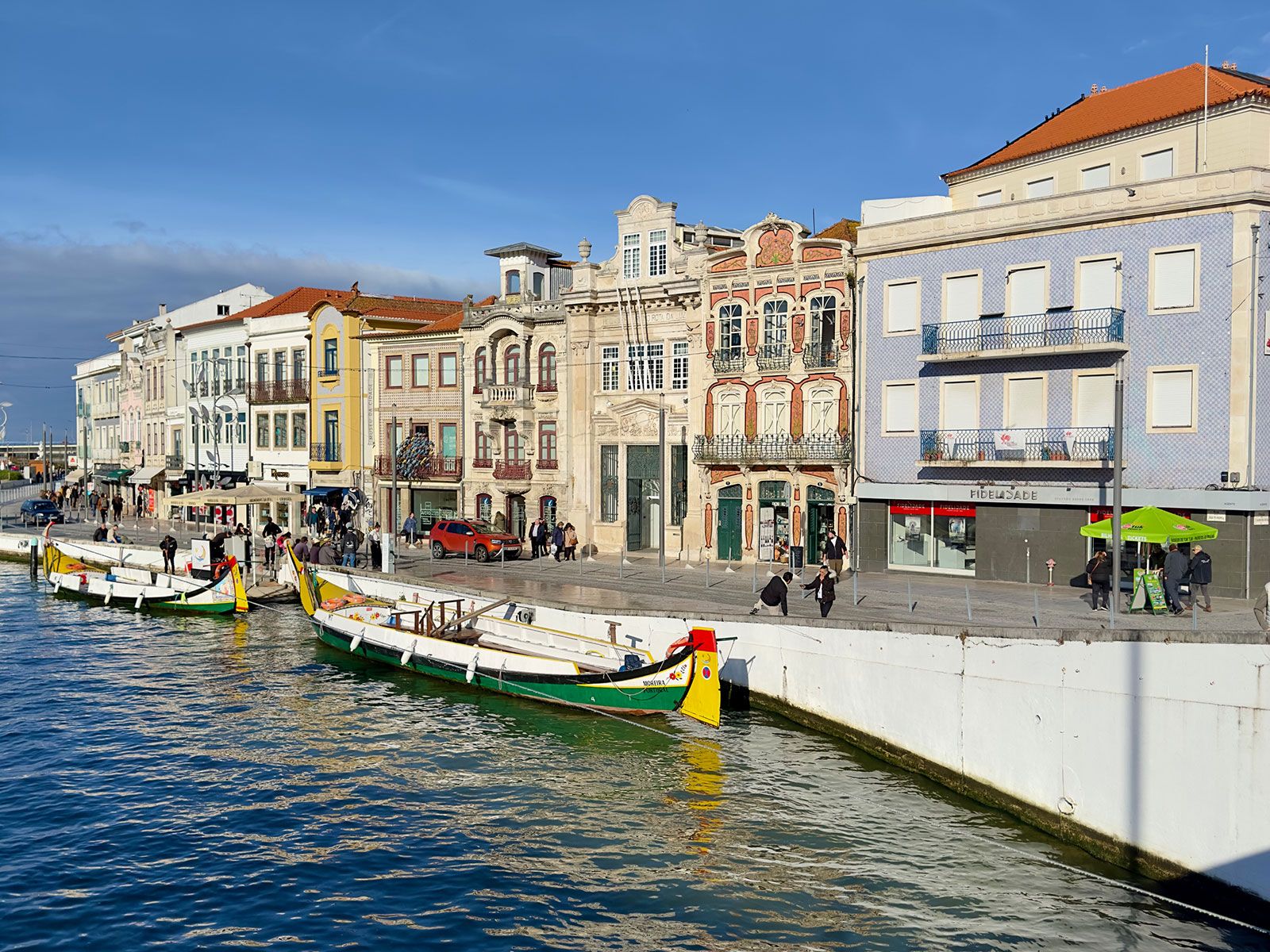
The popular holiday destination (pictured above: the port city of Aveiro) is not all sunshine: yesterday, the country was partially brought to a standstill by its first general strike in twelve years (the second photo shows a strike notice in Porto). According to the CGTP trade union, up to 100,000 people demonstrated in Lisbon alone against a planned labour market reform and in support of higher wages.
The goal of the reform, according to the government, is to increase Portugal’s competitiveness. One measure is to make it easier for employers to dismiss employees. In some sectors of the economy, the right to strike is also expected to be abolished. The CGTP, the country’s largest trade union, assumes that large companies will benefit, while low-income earners will be at a disadvantage.
Sources: The Economist, portugal.gov.pt, handelsblatt.com, euronews.com, FAZ, deutschlandfunk.de et al.